
Tournament structure without the fog
How pro circuits are built, how stages eliminate teams, and how to plan attention before a major weekend.
Circuit calendar anatomy
A competitive year is rarely one trophy. Most titles chain regional leagues, majors, and a global capstone. Your job as a viewer is to know which event moves seeds, which is exhibition heat, and which weekend is pure crown pressure.
Start with the organizer’s stage list: qualifiers, group or Swiss, playoffs, and any Last Chance or relegation appendix. Note rest days. Dense travel plus Bo3 spam changes how much “form” you should trust.
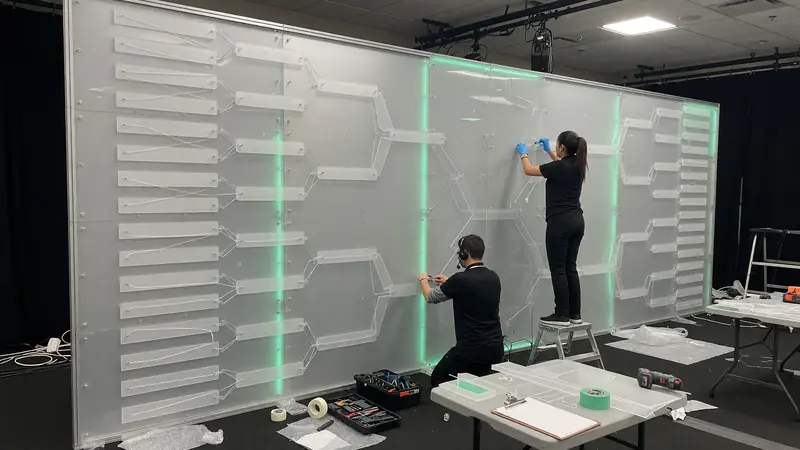
Desk habit
Screenshot the official stage graphic once, then annotate your own watch list. Do not rely on memory during a 12-match Swiss day.
Invitation paths vs open qualifiers
Invite slots usually track prior circuit points, partner leagues, or championship defending rights. Open brackets reward hot rosters and hungry academy sides. When you evaluate an underdog, ask whether their path included LAN gates or only online lobbies.
Invite questions
- Which results earned the slot?
- Did the roster change after qualification?
- Is the invite regional or global?
Open questions
- How many rounds to the main event?
- Bo1 variance or Bo3 stability?
- Any roster lock deadlines mid-run?
Stage maps you should actually draw
You do not need graphic-design polish. You need clarity: how many losses eliminate, whether ties break on round difference, Buchholz-style opponent strength, or head-to-head, and whether map scores carry. Wrong tiebreak assumptions create fake “must-win” panic on social feeds.
Format field guide
| Format | Viewer implication | Common mistake |
|---|---|---|
| Bo1 | High variance; upset theater | Overweighting a single map as dynasty proof |
| Bo3 | Veto skill shows; mid-series adapts | Ignoring map two drafts after a blowout map one |
| Bo5 | Stamina, coach craft, pool depth | Narrating from map one momentum alone |
| Swiss | Record pairing; tiebreak literacy | Treating every 1-1 match as equal stakes |
| Double-elim | Lower bracket narrative arcs | Forgetting reset rules in grands |
Venue and load-in context
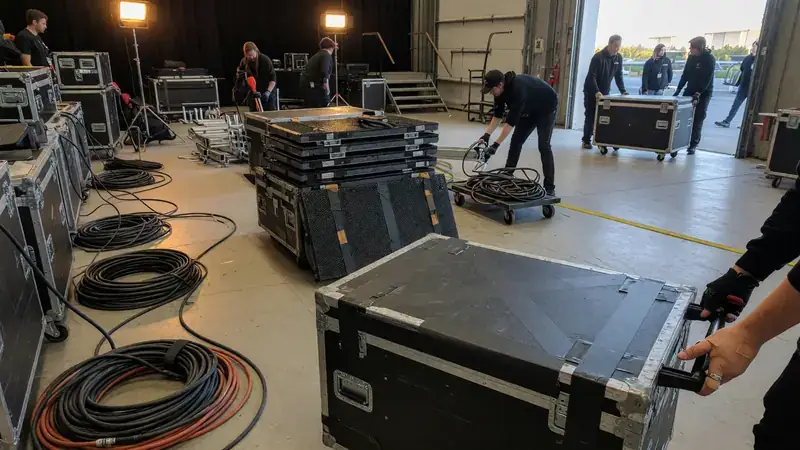
Arena events change audio cues, delay, and nerves. Online stages change ping tables and schedule slips. When comparing two teams’ “recent form,” label the environment in your notes.
Travel load-in photos are not trophies — they are reminders that logistics are part of competitive reality.
Building a stage watch plan
Mark elimination lines
Which records are alive? Which matches are dead rubbers?
Rank by story density
Rivalries, roster debuts, and patch first-tests beat random openers.
Protect sleep
International broadcasts punish all-night tabs. Pick a primary block.
Park rumors
Save roster chatter for confirmed windows; watch the match in front of you.
Official sources pattern
Prefer tournament rule PDFs, league sites, and licensed broadcast partners. Use reputable reporters for roster confirmations. Discord leaks and anonymous screenshot piles are leads, not citations.
Championship weekend posture

Grand final checklist
- Confirm Bo length and reset rules
- Note side or map selection rights
- Track coach timeout patterns qualitatively
- Separate celebration optics from lasting meta lessons
Related desks
Continue on match reading, game patch context, and viewing guides. For optional series-board context after you understand the stage, use the match desk CTA below.
Questions on this desk
What is a Swiss stage in plain language?
Teams play a fixed number of matches against similarly recorded opponents. Elimination and advancement depend on wins plus tiebreak rules published by the organizer — always read that rulebook.
Why do open qualifiers matter to viewers?
They reveal which rosters earned the slot the hard way and often preview regional styles before the main broadcast spotlight.
Should I watch every group match?
Usually no. Build a watch order around elimination edges, rivalry density, and format length instead of opening every stream.
Where should I verify prize and seed details?
On the tournament organizer or league site. nexus explains types of stakes (seed, prize pool structure) without inventing figures.
How do double-elimination brackets change storylines?
Lower-bracket runs create reset grand finals in some rulesets. Confirm whether a reset exists before narrating a ‘last chance’ map.
What is invitation versus open qualification?
Invites reward prior circuit results or partner slots; opens are competitive entries. Both can produce contenders — judge on current roster, not path snobbery alone.
Can nexus show live brackets?
We do not mirror live brackets as authority. Use official graphics and treat our diagrams as educational templates.
How early should I read stage maps?
Before the first match day. Stage maps tell you which losses are survivable and which Bo1s are traps.
Follow this topic on the match desk
Keep the editorial read primary. Optional board access stays contextual and age-gated.
Contextual board access only. 18+. Local law applies. Never stake money you cannot afford to lose.